
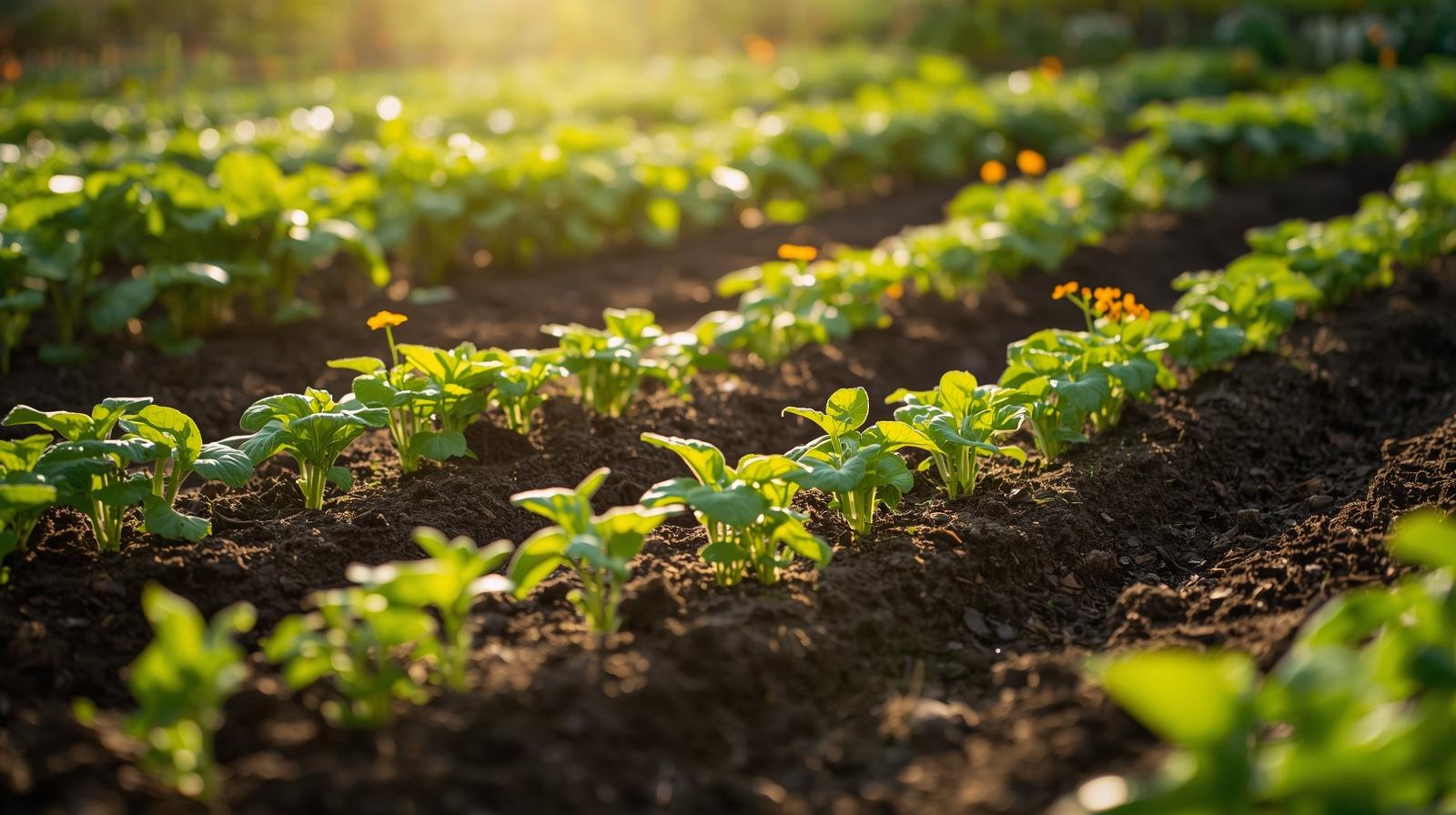
May allotment jobs are numerous, May is a busy, productive month on the allotment. Frost risk is minimal, soil is warming, and most early sowings and seedlings can finally be planted out. Your plot starts to come alive, and careful planning now ensures a bountiful summer harvest. This article covers all May allotment jobs including sowing, planting, harvesting, essential tasks, and tips for beginners.
Why May Is a Key Month

May is one of the most important months in the allotment calendar. It marks the true beginning of the growing season in the UK, when the soil has warmed up, daylight hours are long, and most plants can finally be sown or planted outdoors. The work done in May sets the foundation for a productive summer and autumn harvest.
Check Frost Risk Before You Start
Although May feels like spring turning into summer, late frosts are still possible in many parts of the UK, particularly early in the month. Before planting tender crops outdoors, keep an eye on the weather forecast.
Beginner tip: If frost is forecast, protect young plants with fleece, cloches, or even upturned plant pots overnight. It’s better to delay planting by a week than lose plants to a cold snap.
Planting and Sowing

May is prime time for planting out tender crops that have been started under cover.
- Plant out tomatoes, courgettes, pumpkins, sweetcorn, and beans once the risk of frost has passed.
- Direct sow beetroot, carrots, parsnips, radishes, turnips, peas, and spinach straight into the soil.
- Succession sow salad leaves, lettuce, and rocket every few weeks for a continuous harvest.
- Sow herbs such as basil, coriander, and parsley in pots or sheltered beds.
- Start winter crops like kale, Brussels sprouts, and winter cabbages in seed trays for planting out later.
Soil and Bed Preparation

Healthy soil is the foundation of a productive allotment.
A thriving allotment begins beneath your feet. Healthy soil is the cornerstone of productive gardening because it provides the essential nutrients, structure, and ecosystem that plants need to grow strong and yield abundantly
- Weed regularly to prevent competition for nutrients and water.
- Mulch beds with compost or well-rotted manure to retain moisture and suppress weeds.
- Feed hungry crops such as brassicas and potatoes with organic fertiliser or compost tea.
- Check soil moisture and water deeply rather than little and often to encourage strong root growth.
Watering and Maintenance

As temperatures rise, watering becomes more important.
- Water newly planted crops thoroughly until they establish.
- Install water butts to collect rainwater for sustainable irrigation.
- Use mulch around plants to reduce evaporation and keep roots cool.
- Stake tall plants like peas, beans, and tomatoes before they get too large.
Pest and Disease Control

Warmer weather brings an increase in pests and diseases.
- Watch for slugs and snails, especially after rain; use barriers, traps, or organic pellets.
- Inspect brassicas for cabbage white butterfly eggs and caterpillars.
- Protect young plants with fleece or netting from birds and insects.
- Check for aphids on soft new growth and remove them by hand or with a gentle water spray.
Harvesting
May marks the start of the early harvest season.
- Pick asparagus, rhubarb, and early salad leaves regularly to encourage new growth.
- Harvest spring onions, radishes, and overwintered spinach as they mature.
- Cut herbs like chives and parsley to promote fresh regrowth.
General Plot Care

Keeping the allotment tidy and organised makes summer maintenance easier.
- Keep paths clear and weed-free for easy access.
- Compost green waste to recycle nutrients for future use.
- Label rows and plants clearly to track varieties and sowing dates.
- Plan succession crops for beds that will soon be cleared after early harvests.
Greenhouse and Polytunnel Tasks
If using a greenhouse or polytunnel, May is a key month for managing temperature and growth.
- Ventilate regularly to prevent overheating.
- Pinch out side shoots on tomato plants to encourage fruiting.
- Feed container-grown plants with liquid fertiliser every couple of weeks.
- Harden off seedlings gradually before moving them outdoors.
Wildlife and Pollinators

Encouraging wildlife helps maintain a healthy allotment ecosystem.
- Plant flowers such as marigolds, nasturtiums, and calendula to attract pollinators.
- Leave a small wild patch for beneficial insects and bees.
- Provide water in shallow dishes for birds and pollinators.
Conclusion
May is a month of action and anticipation on the allotment. With careful planting, regular maintenance, and attention to watering and pest control, the groundwork is laid for a bountiful summer harvest. Staying organised and consistent now ensures the allotment thrives through the busiest growing months ahead.
What to Read Next
Want to stay ahead of the seasons? Subscribe to get each month’s allotment tasks delivered straight to your inbox so you never miss a thing.
Leave a Reply