
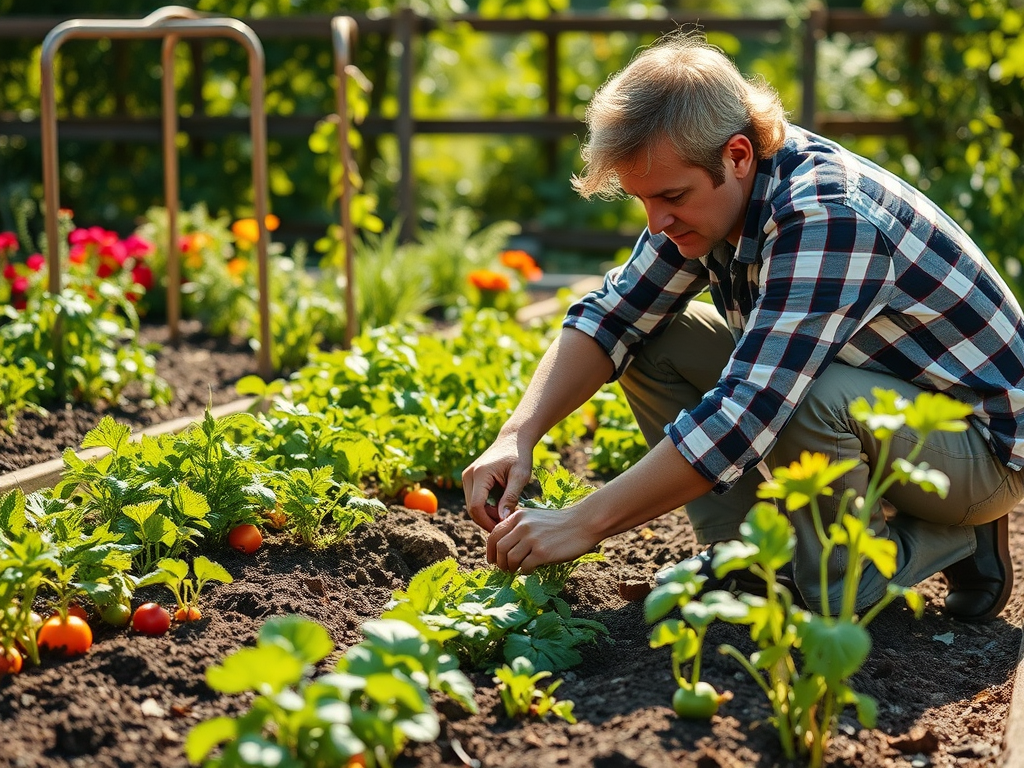
Taking on your first allotment is exciting—but it can feel a little overwhelming once you see the weeds, brambles or uneven soil you’ve inherited. Good plot maintenance isn’t about perfection; it’s about building steady habits that keep your allotment productive, manageable, and enjoyable. This beginner-friendly guide covers everything you need to know to look after your new plot throughout the year.
1. Start by Assessing Your Plot
Before you dive in, spend a little time getting to know your space.
- Identify sunny and shady areas to decide where crops will thrive.
- Check the soil type (clay, loam, sandy) and note how well it drains.
- Look for existing perennials (rhubarb, berries) you may want to keep.
- Notice problem areas, such as persistent weeds or waterlogged patches.
This initial assessment helps you create a practical plan instead of rushing in and becoming overwhelmed.
2. Tackle Weeds Early and Regularly
Weeds are the number-one challenge for new allotment holders, especially in the first spring or summer.
Tips for weed control:
- Start with the worst areas first: thistles, brambles, nettles, docks and bindweed need persistent attention.
- Pull annual weeds (chickweed, fat hen, groundsel) before they seed.
- Use a hoe on dry days—it’s quick and satisfying.
- Avoid turning the soil too often; it brings new weed seeds to the surface.
- Mulch bare soil with cardboard, compost, or bark to suppress weeds.
Consistency is more important than brute force. A weekly 30-minute session will keep things under control.
3. Improve Soil Health
Healthy soil equals healthy crops. Once the weeds are manageable, improving your soil is the best investment of time you can make.
How to build better soil:
- Add organic matter such as compost or well-rotted manure every winter.
- Avoid walking on beds—use paths to prevent compaction.
- Test pH if you’re unsure; most veg prefer neutral to slightly alkaline soil.
- Make your own compost to keep organic waste on site and free.
If the soil is heavy clay, consider adding sharp sand or creating raised beds to improve drainage.


4. Plan Your Crop Rotation
Crop rotation helps prevent soil-borne diseases and nutrient depletion.
A simple three-year rotation works well:
- Brassicas (cabbage, broccoli, kale)
- Roots & Onions (carrots, beetroot, garlic, leeks)
- Legumes & Fruit Crops (beans, peas, tomatoes, courgettes)
This helps avoid clubroot, onion rot, and other common issues.
5. Water Wisely
In the UK, summers can be unpredictable—long dry spells followed by heavy rain.
Watering tips:
- Water deeply, not little and often, to encourage strong roots.
- Use collected rainwater from water butts where possible.
- Mulch around plants to retain moisture.
- Water in early morning or late evening to reduce evaporation.
- Prioritise newly planted crops and thirsty plants like courgettes and tomatoes.
6. Keep Paths and Edges Under Control
Tidy edges make your entire plot feel more manageable.
- Mow or strim paths regularly.
- Line beds with boards or bricks to keep soil and weeds in place.
- Use woodchip for low-maintenance, mud-free pathways.
This also helps prevent weeds spreading into your growing beds.
7. Stay on Top of Pests and Diseases
UK allotments attract a whole host of visitors—some welcome, some not.
Common pests & how to manage them:
- Slugs and snails: use beer traps, copper tape, or wildlife-friendly slug pellets.
- Pigeons: net brassicas and peas.
- Blackfly on beans: pinch out the growing tips once plants flower.
- Cabbage white butterflies: net brassicas or use fine mesh.
Check plants regularly so you can act early before problems spread.
8. Create a Simple Maintenance Routine
A little and often approach wins every time.
Weekly tasks:
- Hoe paths and beds
- Water as needed
- Check for pests
- Harvest ripe crops
Monthly tasks:
- Top up mulch
- Prune soft fruit bushes (at the appropriate time)
- Add compost to beds
- Update your planting plan
Consistency turns an overwhelming plot into a pleasure to visit.

9. Keep Tools Clean and Organised
Good maintenance includes looking after your equipment.
- Sharpen hoes and secateurs regularly.
- Oil wooden handles to prevent cracking.
- Store tools in a dry shed or take them home if your site is insecure.
Well-kept tools make every job easier.
10. Celebrate Progress, Not Perfection
Allotments are a journey, and plots take time to shape. Don’t compare your new plot to long-established ones. Celebrate each win:
- Your first cleared bed
- Your first harvest
- Your first weed-free corner
You’re building something living, productive, and uniquely yours.
Remember, allotment maintenance isn’t about doing everything at once—it’s about small, consistent steps. With regular care and a simple routine, your new plot will thrive. Keep going, stay curious, and your confidence will grow along with your crops.
Leave a Reply