
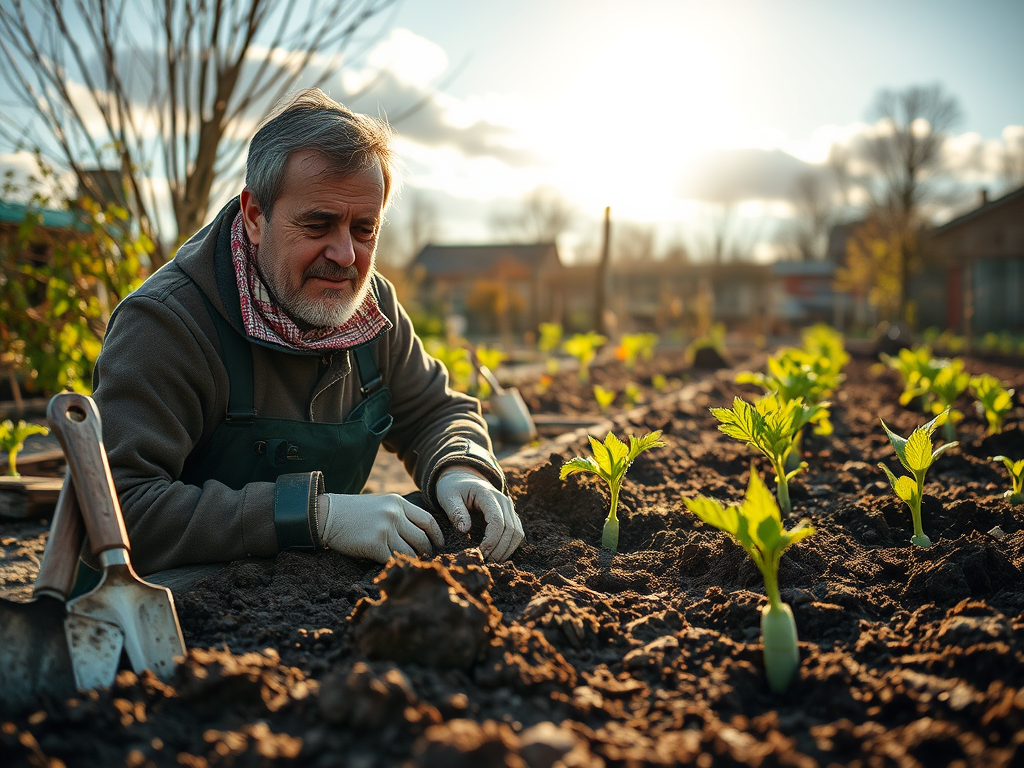
February is the month when your allotment starts to wake up, this guide details February allotment jobs to complete before the good weather begins. The days slowly become longer, the soil begins to dry out on mild days, and you can finally feel that spring is on its way. For new allotment holders, February is an exciting but often confusing time, because suddenly there is a lot to do — and it can feel overwhelming.
In reality, February is all about preparing the ground, starting early crops, and getting everything ready for the busy months ahead. You are not aiming for big harvests yet. You are building the foundations that will support everything you grow in spring and summer.
This guide will walk you through exactly what you should be doing on your allotment in February, even if this is your first ever growing season.
Moving From Planning to Action

In January, most of your time was spent planning. In February, you begin to turn those plans into action.
By now, you should have a basic idea of where your main crops will go. February is the time to start preparing those beds properly. Walk your plot and decide which areas will be used first for early crops like onions, broad beans, early potatoes and salads. These areas should be your focus for the next few weeks.
If the soil is workable — meaning it is not frozen and not so wet that it sticks together in clumps — you can begin gently preparing it. Do not rush. If the soil is still heavy and sticky, leave it alone for another week or two. Patience at this stage prevents serious problems later.
Preparing Your Soil the Right Way

February is one of the most important months for soil preparation, especially for beginners.
If you added compost or manure in January, you may now be able to lightly fork it in on dry days. You are not trying to turn the soil deeply — simply loosen it and mix the organic matter into the top layer. This improves drainage, air flow and fertility.
If you didn’t manage to add compost earlier in winter, you can still do it now as long as the soil is workable. Spread it over the surface and lightly fork it in. This will feed the soil in time for spring planting.
It is also a good time to remove any weeds that are starting to appear. Winter weeds grow fast once the days lengthen, and pulling them now prevents them from taking over your beds later.
Starting to Grow From Seed Indoors

February is the month when seed sowing properly begins for many crops — but almost all of it must still be done under cover.
On a bright windowsill, in a greenhouse, or in a small heated propagator, you can now begin sowing crops such as tomatoes, peppers, aubergines, leeks, onions, celery, and early salads. These crops take a long time to mature, so starting them early gives you a much better harvest later in summer.
When sowing seeds, always use fresh seed compost rather than garden soil. Garden soil is too heavy for seedlings and can carry diseases that kill young plants. Water gently, keep the compost damp but not soaked, and give the seedlings as much light as possible once they emerge.
For beginners, one of the most common mistakes in February is sowing too much too soon. Start with small batches. You can always sow more later, but overcrowded seedlings are difficult to manage.
Chitting Potatoes and Preparing for Planting

If you started chitting your seed potatoes in January, you should now see short, sturdy shoots forming. If you haven’t started yet, it is not too late to begin in February.
Place your seed potatoes in trays or egg boxes with the eyes (the small dimples) facing upwards. Keep them in a cool, bright place. This simple process encourages quicker growth once they go into the soil.
You should also begin preparing the bed where your potatoes will be planted. Potatoes like well-fed soil, so this bed benefits from extra compost or manure worked into it during February.
Pruning and Fruit Care in February

February is the last real chance to complete winter pruning before spring growth begins.
If you haven’t already pruned your apples, pears, gooseberries, currants, and autumn-fruiting raspberries, this must be done now. Pruning encourages stronger growth, improves air circulation, and increases fruit production later in the year.
Soft fruit bushes benefit from old, weak stems being removed to make room for fresh new shoots. For tree fruit, focus on shaping the tree and removing any dead or damaged branches.
You can also continue planting bare-root fruit trees and bushes early in February, provided the soil is not frozen. Once buds start swelling later in the month, it is usually too late.
Getting Structures Ready for the Growing Season

By February, your greenhouse, cold frames and polytunnel should be completely clean and ready for use.
Wash down glass, plastic panels and staging to remove algae and overwintering pests. This allows far more light into the structure, which is vital for young seedlings.
Check that doors open and close properly, that ventilation works, and that there are no broken panels or drafts. Strong winds in February can easily damage loose structures.
If you use fleece or cloches, make sure they are clean and ready to use, as you will soon need them for outdoor sowing.
Early Outdoor Sowing (Only if Conditions Are Right)

In mild parts of the UK, and on sheltered plots, some outdoor sowing can begin towards the end of February.
Broad beans, spinach, and hardy varieties of peas can sometimes be sown if the soil is dry enough to work. The key word here is sometimes. If your soil is still cold, wet, or heavy, it is far better to wait or start these crops in pots under cover first.
Garlic and overwintering onions planted earlier in winter should now be actively growing. Keep these beds weed-free so the young plants are not competing for nutrients.
Feeding and Protecting the Soil

As growth begins to wake up, protecting your soil becomes even more important.
Mulching beds with compost, leaf mould or straw helps retain moisture, suppress weeds, and protect soil structure. This is especially useful around fruit bushes, garlic and overwintering onions.
If your soil tends to flood, check that drainage channels and paths are clear so excess water can escape. Standing water at this time of year leads to rot and poor root development.
Pest Control and Wildlife Support

As temperatures rise, pests also begin to become active again.
Slugs and snails start moving on mild evenings in February. Removing hiding places such as old boards and pots reduces their numbers naturally before they become a serious problem in spring.
Birds remain one of your best pest-control tools. Keeping feeders and clean water on your allotment encourages them to stay and help control insects later in the year.
In February, you may start to see:
- Tiny green shoots breaking through the soil
- Seedlings appearing on your windowsill
- Buds swelling on fruit trees
It is tempting to rush ahead, but February rewards steady, careful progress more than fast action. Every job you do now — even something as simple as cleaning a greenhouse pane or pulling a few weeds — directly improves the growing season ahead.
Why February Is So Important
February is the bridge between winter and spring. It is the month when:
- Your soil is prepared for planting
- Your first crops are started under cover
- Your fruit bushes are shaped for the year
- Your structures are made ready for heavy use
If you get February right, March becomes far easier and less stressful.
Work with the weather, not against it. Go out when the ground is dry enough. When it isn’t, focus on indoor sowing, tool care, or planning. Don’t try to do everything at once — one small job each visit is more than enough.
You are no longer just planning your allotment now — you are bringing it to life.
What to Read Next
Want to stay ahead of the seasons? Subscribe to get each month’s allotment tasks delivered straight to your inbox so you never miss a thing.
Leave a Reply