
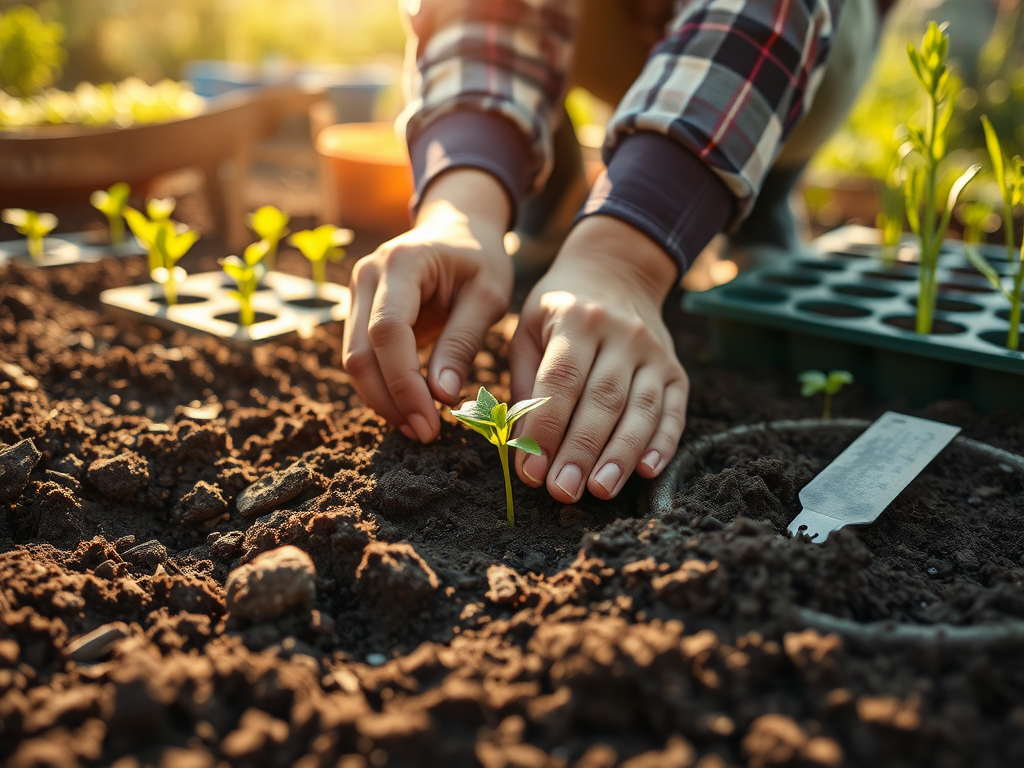
Growing your own vegetables is one of the most rewarding parts of allotment life. Whether you’re a complete beginner or looking to expand your gardening skills, understanding the needs of each crop will help you grow healthier plants and enjoy bigger harvests. This guide brings together the fundamentals of planning, planting, and caring for the most popular allotment vegetables.
Why Follow Vegetable Growing Guides?
Every vegetable has its own preferences—soil type, sunlight, water levels, spacing, and the best time to sow or harvest. A good growing guide helps you:
- Plan a steady supply of fresh produce throughout the year
- Make the most of your allotment space
- Avoid common mistakes
- Understand seasonal timing
- Improve yields and crop quality
Key Things to Consider Before You Start

Know Your Soil:
Most vegetables thrive in well-drained, fertile soil with plenty of organic matter. Before planting:
- Test your soil texture and pH
- Add compost or well-rotted manure
- Consider raised beds for heavy clay or very sandy soils
Sunlight Matters
Most veg need 6–8 hours of sunlight daily. Leafy crops tolerate some shade, while fruiting crops (like tomatoes) need full sun.
Water Wisely
Consistent watering helps prevent problems like splitting roots or blossom end rot. Harvest rainwater if possible—it’s better for plants and cheaper.
Rotate Your Crops
Growing the same family of vegetables in the same spot every year leads to nutrient depletion and disease buildup. Practice a three- or four-year rotation plan.
Beginner-Friendly Vegetables and How to Grow Them

Carrots:
Sow: March–June
Harvest: June–October
Fine, stone-free soil is key. Sow seeds thinly and avoid fresh manure, which causes forking. Water lightly and consistently.
Potatoes:
Plant: March–May
Harvest: June–October
Chit early varieties for a head start. Earth up the plants as they grow to protect tubers from sunlight. Great for improving soil structure.


Runner Beans:
Sow: April–June
Harvest: July–October
Fast-growing, productive, and great for vertical spaces. Provide sturdy supports and keep well-watered during flowering.
Tomatoes:
Sow: February–April
Harvest: July–October
Best grown in a sunny, sheltered spot. Feed weekly with a tomato fertiliser once fruits appear. Choose blight-resistant varieties if growing outdoors.


Courgettes:
Sow/Plant: April–June
Harvest: July–October
Very easy and incredibly productive. Give each plant at least 1m² and keep well-watered. Pick regularly to encourage more fruit.
Onions:
Plant: February–April (sets)
Harvest: July–August
Low-maintenance and reliable. Plant sets in firm soil. Water during dry spells and lift once the tops begin to flop over

Advanced Crops to Try When You’re Ready
- Sweetcorn – Needs warmth and to be planted in blocks for good pollination
- Brassicas (Cabbage, Broccoli, Kale) – Benefit from firm soil and netting against pests
- Parsnips – Require patience but reward you with delicious winter harvests
- Chillies and Peppers – Thrive in greenhouses or warm microclimates
Common Mistakes to Avoid
- Sowing too early – Seeds germinate poorly in cold soil
- Overcrowding plants – Leads to weak growth and more disease
- Ignoring pests – Slugs, aphids, and cabbage butterflies can decimate crops
- Inconsistent watering – Causes stress and reduces yields
Final Tips for Allotment Success
- Keep a gardening journal—track what you grow and how it performs
- Mulch beds to conserve moisture and reduce weeds
- Start small and build up as your confidence grows
- Swap seedlings or produce with fellow plot-holders for variety
Growing vegetables is a learning journey, but with the right guides and a little patience, your allotment can provide delicious harvests all year long. Explore more detailed crop-by-crop guides here on Allotment Starter to help you plan your perfect growing season.
Leave a Reply