
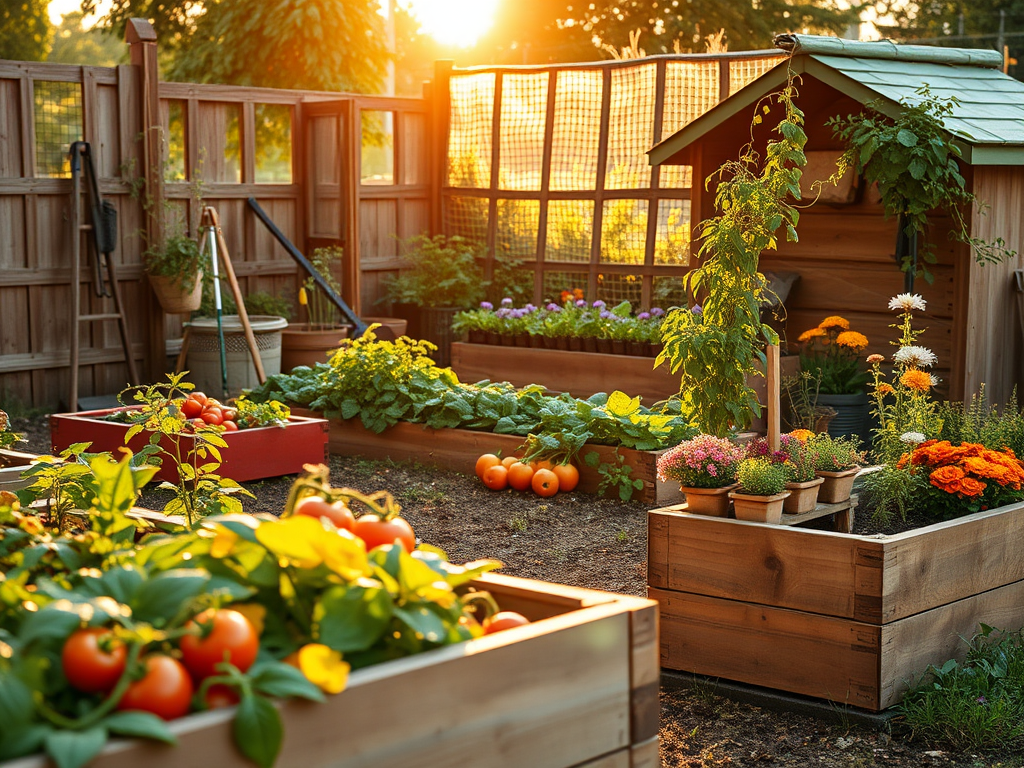
Starting your first allotment is exciting—but it can also feel like you need a lot of equipment or expensive setups to get going. The truth is, some of the best allotment features can be built cheaply and easily with a bit of DIY spirit. Whether you’re clearing a new plot or trying to make your space more productive, these beginner-friendly DIY Allotment Projects will help you get started without breaking the bank.
Build Simple Raised Beds
These DIY Allotment Projects are perfect for novice gardeners looking to enhance their growing experience.

Raised beds help you manage weeds, improve soil quality, and organise your plot.
Why they’re ideal for beginners:
- Easy to build from scrap timber or scaffold boards
- Great for poor, heavy, or stony soil
- Help define your growing space
Basic method:
- Cut boards to size (1.2m x 2.4m is common).
- Screw them together to form a rectangle.
- Place on level ground and fill with compost-rich soil.
You don’t need perfect carpentry—rustic works just fine!
Create a Compost Bin from Pallets

Homemade compost bays are cheap, practical, and environmentally friendly.
What you need:
- 3–4 wooden pallets
- Cable ties or screws
- A little corner of your plot
Stand the pallets upright, tie or screw them together, and you’ve got a sturdy compost bin for free. Add veg peelings, grass clippings, and plant waste to start producing your own nutrient-rich compost.
This initial assessment helps you create a practical plan instead of rushing in and becoming overwhelmed.
Set Up a Rainwater Collection System

Water is precious on an allotment—and often limited to communal taps. A simple water-butt setup will save you time and money.
You can make one using:
- An old food-grade barrel or storage drum
- A tap kit
- A few bricks to raise it off the ground
Place the butt under a shed gutter or attach a simple rain diverter. Even without a shed, open-topped barrels collect a surprising amount.
Make DIY Wildlife Habitats

A healthy allotment relies on wildlife—frogs, hedgehogs, bees, and ladybirds all help keep pests under control.
Easy projects:
- Bug hotel made from bamboo canes or drilled wood blocks
- Mini pond using an old washing-up bowl
- Hedgehog house with bricks and logs
These projects take minutes and create a natural pest-management system.
Build a Simple Tool Rack or Shed Shelf

Staying organised makes allotment maintenance much easier.
Quick ideas:
Put up pallet shelves inside your shed
- Hang tools on hooks screwed into an old board
- Use reclaimed bricks and planks for free-standing shelving
- It doesn’t have to look pretty—function is what matters.
Create a No-Dig Bed

No-dig methods are beginner-friendly and reduce weeding dramatically.
How to make one:
- Lay cardboard over the ground to smother weeds.
- Add a thick layer of compost on top (10–15cm).
- Plant directly into the compost.
No digging, no heavy lifting, minimal weeding—ideal for new plot holders.
Make Simple Bean or Pea Supports

Vertical growing saves space and increases yields.
Easy DIY ideas:
- Teepees made from bamboo canes
- A-frame supports using branches or old tent poles
- Pea nets tied between two simple posts
These structures are low cost and last all season.
Craft a Small Seating Area

Your allotment is a place to enjoy, not just work on.
Use:
- Old chairs
- Pallet benches
- Reclaimed wood for a narrow seat
A small seating spot gives you somewhere to rest, plan, and take in your progress.
Make a Flower Strip or Pollinator Patch

A mini wildflower patch is one of the easiest DIY projects you can do.
Benefits:
- Attracts pollinators
- Helps boost vegetable yields
- Adds colour and life to your plot
You can mark the area with old bricks or logs for a neat boundary.
Every DIY project you tackle helps turn your allotment into a space that’s uniquely yours. Start small, use what you have, and enjoy the process—before long, you’ll have a plot that’s both practical and full of character.
Leave a Reply